Case Study: How Design Activates Walkable Communities
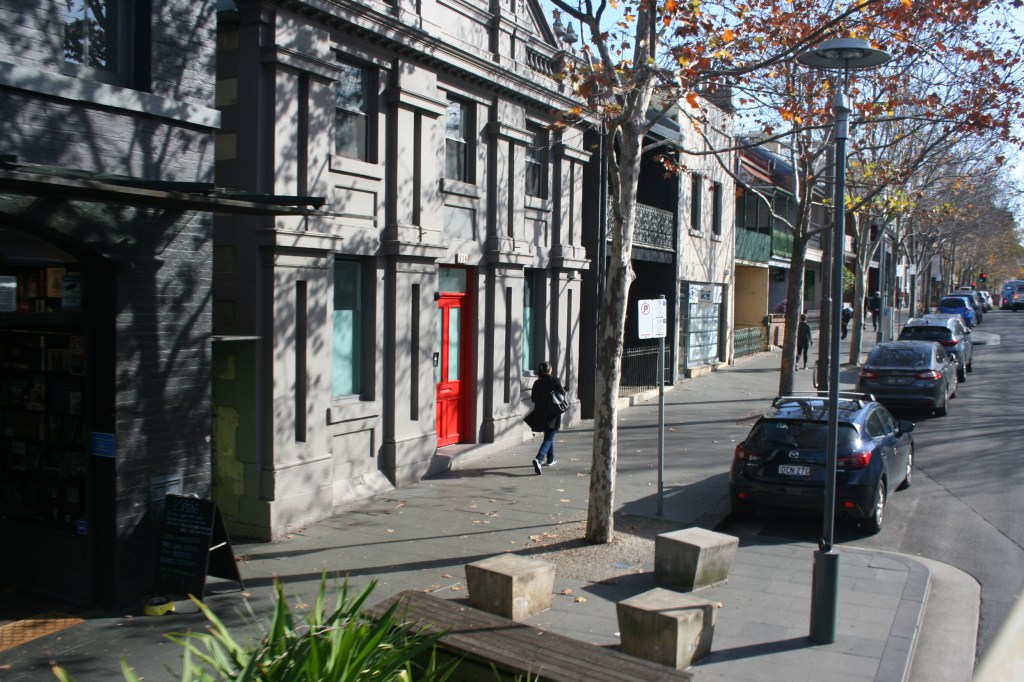
The Challenge:
You’ve seen this scenario: A city invests millions in walkable infrastructure—new sidewalks, improved street connectivity, mixed-use zoning. The planning department checks all the boxes. Traditional walkability metrics look great on paper.
Then community members tell you what’s really happening: “The are sidewalks, but nobody uses them.”
If you’re a planner, landscape architect, or public health professional, this frustration is familiar. Your infrastructure investments should be working. The data says they should be working. Yet walking behavior hasn’t changed. Health outcomes stay flat.
Here’s what I’ve learned through my research: we’ve been measuring only half the picture. Infrastructure matters, absolutely. But there’s another critical factor that conventional walkability assessments miss entirely—and understanding this distinction can save your next project from becoming another expensive miscalculation.
The Research Insight:
Through research across 30 Pennsylvania municipalities, we discovered that walkable infrastructure and design quality are independent variables. Towns can score high on traditional walkability metrics while scoring low on design quality—and this combination consistently underperforms expectations.
Our Design Quality Indicator (DQI) assessment revealed that two towns with nearly identical infrastructure (density, street connectivity, mixed land use) produced drastically different user experiences. One town featured well-maintained sidewalks, street trees, attractive buildings, and social spaces. The other had crumbling paths, no vegetation, deteriorating storefronts, and poor maintenance. Traditional walkability indices couldn’t distinguish between them.
The data showed that only 20% of design quality variation could be explained by infrastructure measures alone. This means 80% of what makes a place feel walkable—and encourages actual walking—goes unmeasured by conventional assessments.
What Makes the Difference:
Design quality encompasses five critical categories that infrastructure audits miss:
- General Quality: Overall attractiveness, maintenance standards, and spatial character (open versus enclosed)
- Hardscape Quality: Building aesthetics, architectural complexity, historic character, and pathway materials
- Softscape Quality: Street trees, green spaces, and plant material that create comfortable microclimates
- Pedestrian Quality: Human-scale elements, appropriate street width, traffic calming, legibility, and amenities
- Social Quality: Variety of gathering spaces and evidence of active pedestrian life
These elements shape the pedestrian experience at the street level—where walking actually happens. They determine whether someone chooses to walk for daily errands, recreation, or social connection.
Practical Applications:
The DQI framework provides actionable metrics at three scales:
Street-level: Identify specific segments where design improvements would have maximum impact. For example, a segment with good maintenance but low social quality might benefit from public seating or outdoor dining, rather than infrastructure overhaul.
Neighborhood-level: Prioritize category improvements based on community goals. A neighborhood scoring low on pedestrian quality might focus on traffic calming and street trees before investing in new sidewalks.
City-level: Differentiate between communities that need infrastructure investment versus those that need design enhancement. Design improvements (maintenance, plantings, street furniture) typically cost far less than infrastructure projects while potentially delivering comparable behavioral impact.
The Strategic Advantage:
For planners and developers, the DQI approach means:
- More accurate predictions of how spaces will actually be used
- Targeted investments that maximize return on walkability goals
- Evidence-based prioritization when capital budgets are constrained
- Differentiated proposals that demonstrate understanding of user experience
- Measurable outcomes that connect design decisions to community health
Understanding the relationship between infrastructure and design quality transforms how we approach walkable communities. It’s not enough to provide the physical elements for walking—we must create environments where people want to walk. That distinction determines whether your walkability investments deliver results or become expensive missed opportunities.
This case study draws on peer-reviewed research published in Landscape Journal examining design quality indicators across diverse community contexts.
Citation: Cook, J. A., Bose, M., Marshall, W. E., & Main, D. S. (2014). How does design quality add to our understanding of walkable communities?. Landscape Journal, 32(2), 151-162. DOI: https://doi.org/10.3368/lj.32.2.151
Note: Jessica Shea was formerly published as Cook, J.A.
 Jessica A. Shea, PhD
Leave a comment